The blog functions as an educational hub covering estate planning, probate, guardianship and fiduciary litigation topics. The blog offers actionable tips and invites readers to contact the firm for personalized advice about how our general tips and information may apply to your situation.. Posts span topics ranging from tax considerations to powers of attorney and mediation options.
Articles & Resources
From the Library of Hardie Alcozer
At a glance

07/31/26
When Should You Update Your Estate Plan in Texas?
Got married? Had a baby? Lost a spouse? Moved to Texas? Any of these can change what happens to your estate — even if you already have a will. Hardie Alcozer helps Austin families keep their plans current. Schedule your review consultation today. #AustinEstatePlanning #EstateUpdate #TexasWill #HardieAlcozer

07/31/26
What Is a Pour-Over Will in Texas and Do You Need One?
A pour-over will is a type of will specifically designed to work alongside a revocable living trust. When you die, it directs any assets that were not already in your trust to “pour over” into the trust so they can be distributed according to the trust’s terms. If you have a trust-based estate plan, you almost certainly have — or should have — a pour-over will. This post explains how the two documents work together, what happens without one, and what limitations a pour-over will has.

04/03/26
Why You Shouldn’t Use an AI Will
AI will-writing tools are everywhere, and the appeal is obvious—fast, cheap, and available at 2 a.m. But a will that isn’t properly drafted and executed under Texas law isn’t just imperfect. It may be completely invalid. This post walks through what Texas actually requires for a valid will, where AI tools fall short, and why working with an estate planning attorney gives your family the protection they actually need.

04/03/26
How Divorce Affects Your Estate Plan in Texas
The paperwork involved in a divorce is substantial. By the time the decree is signed and the dust settles, most people are ready to be done with legal documents for a while. But there is one set of documents that gets overlooked in almost every divorce: the estate plan.

04/03/26
Can You Contest a Will in Texas? What You Need to Know
A will contest is a legal challenge to the validity of a will. In Texas, you can contest a will if you have standing — meaning you have a financial stake in the outcome — and valid legal grounds, such as lack of testamentary capacity, undue influence, fraud, or improper execution. The process takes place in probate court and can be lengthy. This post explains who can contest a will, what grounds the courts recognize, how the process works, and how thoughtful estate planning can reduce the likelihood of a contest in the first place.

04/03/26
What Happens If You Die Without a Will in Texas?
Dying without a will in Texas is called dying “intestate.” When that happens, the Texas Estates Code takes over and decides who gets your property based on a fixed set of rules — not your wishes. Depending on your family situation, the results can be surprising and sometimes painful. This post explains how Texas intestacy laws work, who gets what, and why having a real estate plan matters.

02/26/26
Why an Attorney Should Prepare Your Texas Estate Gift Tax Returns
Let’s be honest, most people do not spend their free time thinking about gift tax returns. You give your daughter money for a house down payment, help a grandchild with college tuition, or transfer a piece of family property, and you assume everything is fine. In many cases, it is.

12/20/24
Understanding MERP Claims: What You Need to Know
Digest The Medicaid Estate Recovery Program allows states to seek repayment for long‑term care costs from a recipient’s estate after death. The post explains who is subject to MERP, which assets are recoverable, possible exemptions and why proactive planning is vital. Navigating Medicaid here in Texas and its associated programs can be daunting. One such […]

12/06/24
Guardian of the Estate vs. Management Trust
When someone is declared by a court to be incapacitated as part of a guardianship proceeding, Texas law provides two primary methods for managing their finances and property. These are: the guardianship of the estate and the management trust.

11/15/24
Essential Steps to Take Before Starting Probate
Navigating the aftermath of a loved one’s death can feel overwhelming. The blend of grief and the complex legal tasks that follow can make this difficult time even more challenging. However, understanding the necessary steps to take before starting the probate process can help ease your burden and provide clarity.

11/11/24
Do I Need an Attorney if I’m Named Executor/Trustee?
Taking on the role of an executor or trustee is an important responsibility, but it doesn’t have to be overwhelming. Understanding the risks and complexities involved can help you feel more confident and prepared as you navigate the process.

11/08/24
Trustee Troubles: Pitfalls and Responsibilities in Trust Management
Trusts are established to manage assets for beneficiaries according to specific instructions laid out by the grantor (the creator of the trust), ensuring the goals of the grantor are protected and most importantly carried out in the way they wanted.

11/01/24
The Balancing Act: Navigating the Challenges of 50/50 Business Partnerships
Business partnerships can be immensely rewarding, but disputes among partners can be a massive headache and are more common than you might expect. Even the closest of partners may have disputes, therefore; it’s essential to understand your rights and options if tensions start to rise.

10/25/24
Resolving Trust Disputes: Rights, Modifications, and Mediation
Trust disputes are emotionally challenging and legally complex, especially when the intentions of the trust and the responsibilities of trustees come into question. At Hardie Alcozer, we understand the sensitivity of these situations and have helped countless individuals navigate similar challenges.

10/18/24
Navigating Guardianship: Roles, Responsibilities, and Key Decisions
Guardianship is a legal arrangement designed to protect individuals who are unable to make decisions for themselves due to incapacity.

10/15/24
Power of Attorney Disputes: Understanding Roles, Responsibilities, and Red Flags
Powers of Attorney (POA) are powerful legal tools designed to delegate authority from one person (the principal) to another (the agent). However, disputes can arise when the boundaries of this authority are misunderstood or breached.
10/11/24
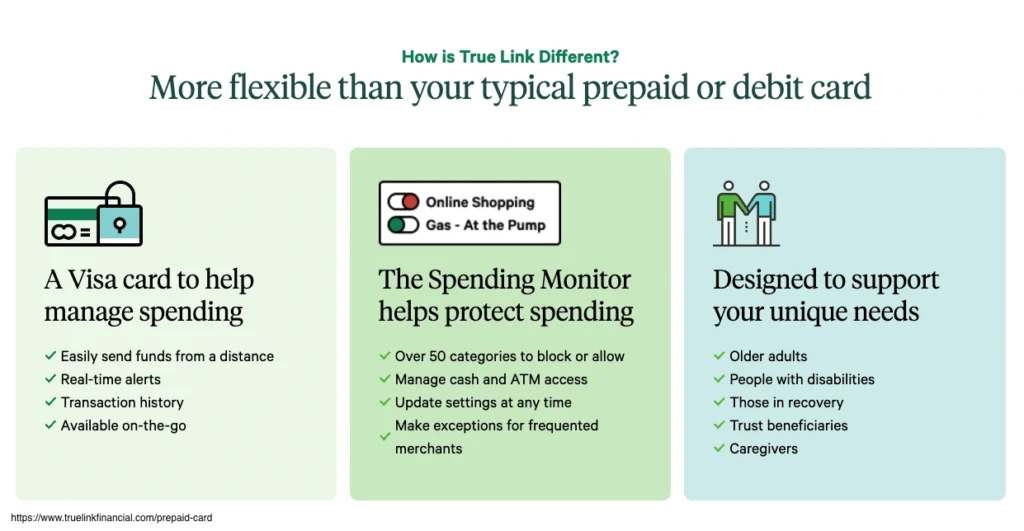
True Link Visa Prepaid Cards: Empowering Independence While Ensuring Financial Safety
Managing finances can be challenging under the best of circumstances, but when someone is experiencing diminished capacity, the risks can become more pronounced. Ensuring financial safety while preserving a person’s independence is a delicate balance.

10/04/24
Navigating Medicaid in Texas: What You Need to Know
Understanding Medicaid eligibility for nursing home care can feel overwhelming, but it’s essential for accessing the support you or your loved ones may need. Medicaid is a vital program that helps individuals with limited financial resources cover long-term care expenses, including nursing home services.

09/27/24
Prepare for the Great Wealth Transfer
The biggest wealth transfer in history is happening right now, and it’s a bit like watching a giant handoff in a relay race—except many families haven’t started warming up yet! With baby boomers set to pass down a staggering $68 trillion in the coming years, you’d think everyone would be ready to grab the baton.

09/20/24
Don’t Forget About the Kiddie Tax!
Before 1986, parents could take advantage of a loophole in the tax code to lower their investment income tax liability by transferring investments to their children’s names. This way, the investment income would be taxed at the child’s more favorable ordinary income rate rather than the parents’ higher rates.